Tarana Burke
The Activist Who Gave Voice to Survivors
Born on 12 September 1973 in the Bronx, New York, Tarana Burke founded the Me Too movement in 2006 to help survivors of sexual violence — more than a decade before the phrase went viral in 2017 and Time named her one of the year's “Silence Breakers.”
- 18 min listen
- Founder of Me Too
- Survivor-centred healing
- Community organising
Tarana Burke’s full 18 min audio biography, The Activist Who Gave Voice to Survivors, is available on Lyfestori for iOS. Listen to a free preview below.
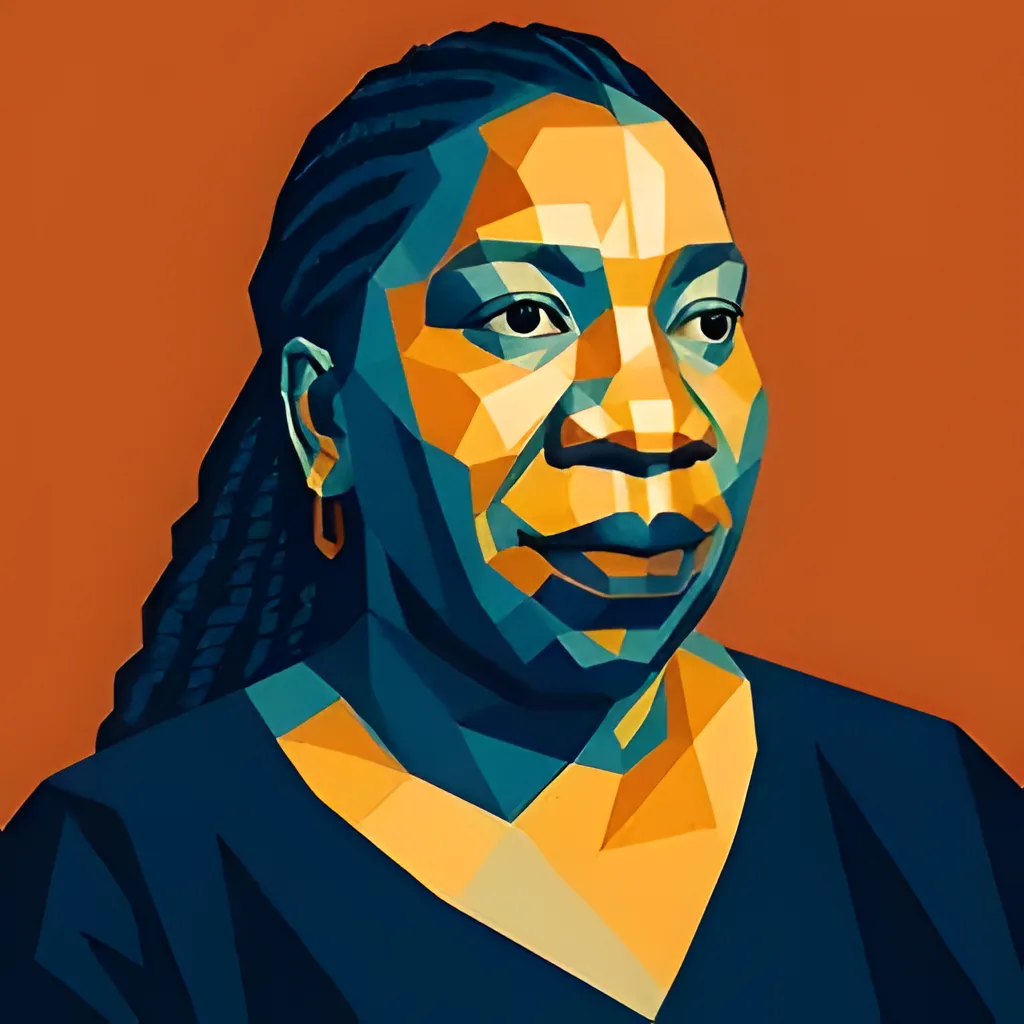
A life in brief
Tarana Burke: life and timeline.
In the late 1990s a thirteen-year-old named Heaven told Tarana Burke she had been sexually abused. Burke, overwhelmed and unprepared, referred her to another counsellor — and spent years afterwards regretting the two words she had not said. She founded Me Too in 2006 as a way for survivors to recognise each other, and ran it as small workshops for Black girls in Alabama, Philadelphia and New York. In 2017 a stranger's tweet made the phrase global, and Burke had to explain that she had built it.
- 1973
Born in the Bronx
Born 12 September into a working-class family that valued education and community service. She credits her mother with shaping her commitment to advocacy. She is sexually abused as a child.
- 2003
Just Be Inc.
Living in Selma, Alabama, she founds a nonprofit focused on the health and well-being of Black girls and young women.
- 2006
Me Too
Founds the movement around two words. The idea is simple: a way for survivors of sexual violence to connect with each other, show solidarity, and realise they are not alone.
- 2008
Philadelphia
Moves and works with community and arts organisations including Art Sanctuary, refining her approach and expanding the survivor-centred programming she began with Just Be Inc.
- 2014
Girls for Gender Equity
Relocates to New York City as a senior leader, developing programming that addresses sexual violence, trauma and healing.
- 2017
The hashtag
Actress Alyssa Milano tweets asking people to reply 'me too' if they have been harassed or assaulted. Millions do. Milano and most others are unaware of Burke's decade of work behind the phrase.
- 2021
Unbound
Publishes her memoir, 'Unbound: My Story of Liberation and the Birth of the Me Too Movement', on her own journey, her development as an activist, and the movement's evolution.
Major achievements
Tarana Burke: major achievements.
- 01
Founding Me Too
Created in 2006 as a way for survivors of sexual violence to find each other and know they were not alone — more than a decade before the phrase went viral.
- 02
Just Be Inc.
Founded in Selma in 2003, a nonprofit focused on the health and well-being of Black girls and young women.
- 03
A survivor-centred model
Built an approach that meets survivors where they are without judgment or pressure to act, centres women and girls of colour largely overlooked by mainstream feminist movements, and prioritises healing and community over punitive responses.
- 04
Unbound
Her 2021 memoir, a detailed account of her personal journey, her development as an activist and the birth of the movement.
- 05
Changing the policy conversation
Worked with lawmakers and advocates on measures prioritising survivor safety, healing and accountability, helping shape debates from workplace harassment policy to criminal justice reform.
Turning points
Tarana Burke: defining moments.
- Late 1990s
Heaven
A thirteen-year-old girl disclosed her abuse during a youth programme. Burke felt overwhelmed and unprepared, referred her to another counsellor, and later realised she had missed the chance to simply offer support and connection. She vowed to be ready next time. The whole movement grew out of that failure.
- 2006
Two words
She founded Me Too around the smallest possible gesture — telling a survivor she was not the only one. It ran as workshops and support groups for girls and young women of colour in Alabama, focused on healing and empowerment rather than legal or punitive responses.
- 2017
The movement escapes
Alyssa Milano's tweet made the hashtag global within days, and most of the world had no idea Burke existed. She had to assert her role as founder while making sure the original vision survived the attention — and she did it without fighting publicly over credit.
- 2017 onward
Holding the line
As Me Too became international news focused on holding perpetrators accountable, she kept pulling it back to prevention, to healing, and to the marginalised survivors it had been built for.
What you’ll take away
Lessons from Tarana Burke’s life.
- 01
The moment you failed is the work
She could not help Heaven, and rather than move on she built the thing that would have. The movement is the repair of one specific regret.
- 02
Start with connection, not action
Me Too asked survivors for nothing — no report, no confrontation, no legal step. It offered recognition, and let each person choose what came next.
- 03
Don't fight for credit, use it
When the hashtag went viral without her, she declined the public argument and spent the attention educating people about the movement's history and the communities it had always served.
Did you know
Facts about Tarana Burke.
- 01
Did you know that Tarana Burke founded the 'Me Too' movement in 2006, over a decade before it went viral globally on social media?
- 02
Did you know that Burke originally started the 'Me Too' movement on the MySpace platform to help young women of color from marginalized communities survive sexual assault?
- 03
Did you know that in 2017, Burke was featured as one of 'The Silence Breakers' who were named TIME magazine's Person of the Year?
If you liked Tarana Burke…
Browse all → Indigenous Rights Activist17 min
Rigoberta Menchú Tum
The Indigenous Voice Who Spoke for the Voiceless
 Labor Leader15 min
César Chávez
A Farm-worker Who Became One of America’s Most Influential Labor Leaders
 Climate Activist16 min
Greta Thunberg
The Young Activist Who Sparked a Global Climate Movement
 Independence Leader19 min
Mahatma Gandhi
The Father of a Nation
FAQ
Frequently asked questions about Tarana Burke.
What is Tarana Burke known for?
Founding the Me Too movement. She began using the phrase in 2006 in her work with young Black women and girls who had survived sexual violence, years before #MeToo went viral in October 2017. She has spent her career since building support for survivors rather than focusing on perpetrators.
Where was Tarana Burke born?
In the Bronx, New York City, on 12 September 1973. She grew up in a working-class family in the borough's housing projects and was drawn into community organising as a teenager.
Who started the Me Too movement?
Tarana Burke founded it in 2006, more than a decade before the hashtag went viral. It began as small workshops and support groups for Black girls and young women in Alabama, and later in Philadelphia and New York.
What happened in 2017?
Actress Alyssa Milano posted a tweet encouraging people to respond 'me too' if they had experienced sexual harassment or assault. The hashtag exploded across social media and millions shared their stories. Initially Milano and many others were unaware of Burke's earlier work and her role as founder.
Why did she start Me Too?
In the late 1990s a thirteen-year-old named Heaven shared her story of sexual abuse during a youth programme. Burke felt overwhelmed and unprepared, referred her to another counsellor, and later realised she had missed an opportunity to provide immediate support and connection. She vowed to be better prepared for the next survivor.
What makes her approach different?
She meets survivors where they are, without judgment or pressure to take any particular action; she focuses on women and girls of colour, who had been largely overlooked by mainstream feminist movements; and she prioritises healing and community building over legal or punitive responses to sexual violence.
Published by Lyfestori, from Duck Pond Ventures Oy. About us and how to report a correction.
18 min · one sitting