Mother Teresa
Saint of the Slums
Born Anjezë Gonxhe Bojaxhiu on 26 August 1910 in Skopje, Mother Teresa left home at eighteen to become a nun, founded the Missionaries of Charity in Calcutta in 1950, won the Nobel Peace Prize in 1979, and was canonised as Saint Teresa of Calcutta in 2016.
- 20 min listen
- Nobel Peace Prize
- Missionaries of Charity
- Sainthood
Mother Teresa’s full 20 min audio biography, Saint of the Slums, is available on Lyfestori for iOS. Listen to a free preview below.
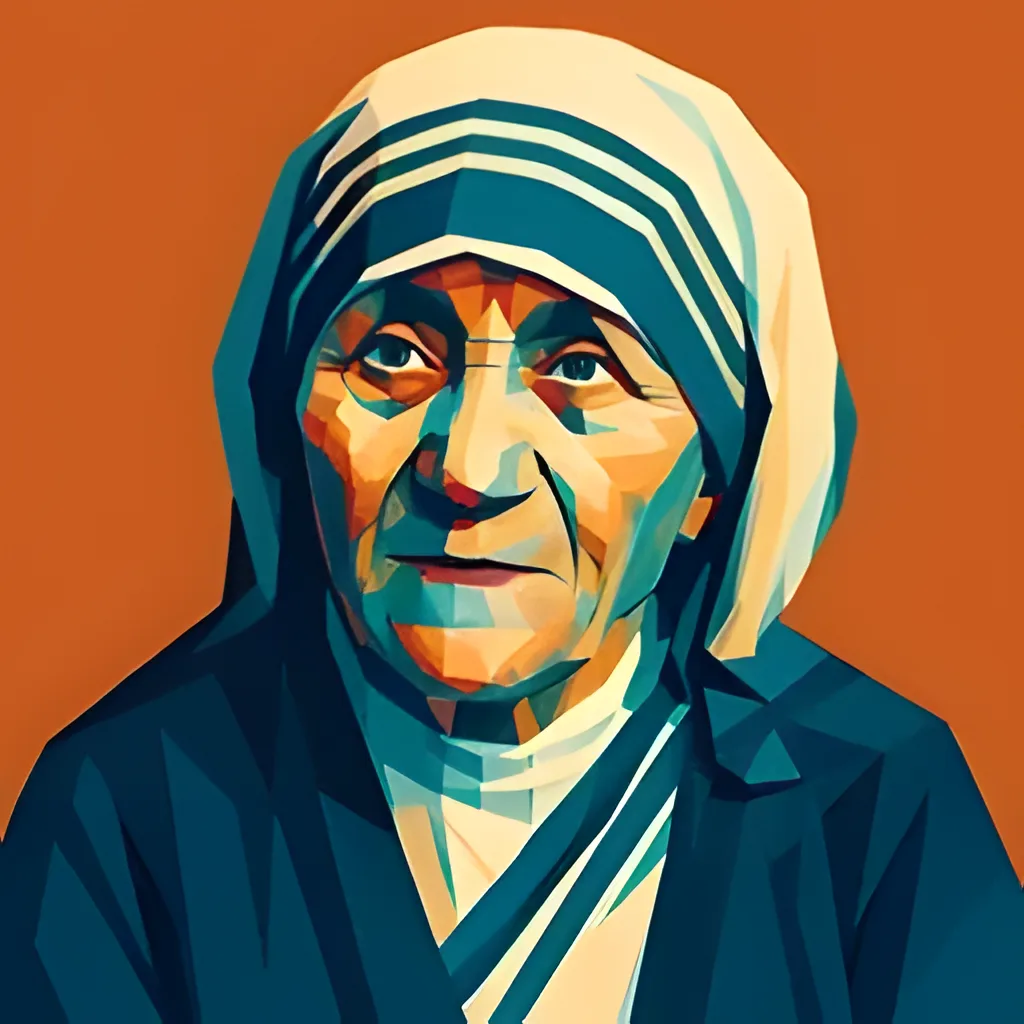
A life in brief
Mother Teresa: life and timeline.
Her mother taught her never to eat a meal without sharing it with someone who had less. Agnes Bojaxhiu left home at eighteen, learned English in Dublin, and spent seventeen years teaching geography to the daughters of wealthy Bengali families in Calcutta — with the slums visible from the school windows. At thirty-six, on a train to Darjeeling, she heard what she called a call within a call. She stepped into the slum of Motijhil with five rupees and a stick to write letters in the dirt.
- 1910
Born in Skopje
Born Agnes Gonxha Bojaxhiu on 26 August, youngest of three, to relatively well-off Albanian Catholics. Her father is a businessman and political activist; her mother brings food and medicine to needy neighbours.
- 1928
Leaving home at eighteen
Joins the Sisters of Loreto, an Irish order working in India, and spends about six months in Dublin learning English. She takes the name Sister Mary Teresa, after Thérèse of Lisieux, and reaches Calcutta in January 1929 — never before outside Europe.
- 1931
First vows, and a classroom
After a year in Darjeeling learning Hindi and Bengali, she takes her first vows and begins teaching at Saint Mary's School in Calcutta, for girls from wealthy Bengali families. She teaches geography and history and becomes fluent in Bengali.
- 1943
The Bengal Famine
Historians estimate 2–3 million deaths. She watches starving people beg for food outside the convent walls and sees bodies in the streets. The comfortable life inside becomes harder to hold.
- 1944
Final vows
Her commitment to religious life becomes permanent and she takes the title Mother Teresa. Her superiors think she may lead the order one day. She is becoming restless.
- 1946
A call within a call
On 10 September, on a train to Darjeeling for her annual retreat, she experiences what she later described as a call within a call — Jesus asking her to leave the convent for the poorest of the poor. She is thirty-six, with nearly twenty years of convent life behind her.
- 1948
Out of the convent
The Vatican gives permission after months of prayer and letters. She exchanges her habit for a white cotton sari with blue borders, takes a basic medical course, and walks into Motijhil with five rupees. Her first school has no building, no desks and no blackboard — just a stick to write letters in the dirt.
- 1950
Missionaries of Charity
Founded with Vatican permission, a year after her first follower, Subhasini Das, joined her. Alongside poverty, chastity and obedience, the sisters take a fourth vow: wholehearted and free service to the poorest of the poor. They live on three saris, sandals, a plate and a thin mattress.
- 1952
Nirmal Hriday
The Home for the Dying, in a building beside the Kali Temple, opened after she found a woman dying outside a hospital that had refused her. Hindu groups protest a Christian facility next to a sacred site and accuse her of converting the dying. She lets people die in their own faith.
- 1979
Nobel Peace Prize
Awarded for her work among the poor. In her acceptance speech she talks about poverty in wealthy countries too — the spiritual kind she saw there.
- 1997
Death in Calcutta
Dies of heart failure at eighty-seven, having kept working through heart problems, malaria and other illnesses. India gives her a state funeral, an honour usually reserved for heads of state.
- 2016
Sainthood
Pope Francis declares her a saint in Saint Peter's Square, thirteen years after John Paul II declared her blessed. She becomes Saint Teresa of Calcutta, with many of the poor she served in attendance.
Major achievements
Mother Teresa: major achievements.
- 01
The Missionaries of Charity
Founded in 1950 with a fourth vow beyond poverty, chastity and obedience: wholehearted and free service to the poorest of the poor. The order now operates in over 130 countries.
- 02
Nirmal Hriday
The Home for the Dying, opened in 1952 beside Calcutta's Kali Temple, so people found in the street could spend their last days with dignity and care. It became a symbol of compassion in a city where death was often met with indifference.
- 03
Nobel Peace Prize
Awarded in 1979 for her work among the poor and her efforts to help suffering humanity. She used the platform to talk about poverty everywhere, including the spiritual poverty she saw in wealthy countries.
- 04
Work with leprosy patients
In a country where people with leprosy were considered untouchable and often abandoned by their families, she ran mobile clinics that brought treatment to them and rehabilitation centres where they could learn new skills — and worked to change attitudes to the disease.
- 05
Sainthood
Declared blessed by John Paul II in 2003 and canonised by Francis in 2016 as Saint Teresa of Calcutta, officially recognised as a model of Christian virtue.
- 06
A state funeral
India gave her an honour usually reserved for heads of state. People from all religions and backgrounds came to pay their respects.
Turning points
Mother Teresa: defining moments.
- Childhood
Never eat alone
The Bojaxhiu family attended daily Mass and regularly helped poor families. Her mother, Dranafile, brought food and medicine to needy neighbours and taught her children never to eat a meal without sharing it with someone who had less. When Agnes was eight her father died suddenly — possibly poisoned for his politics — and the family's comfortable life ended. Dranafile took in sewing and kept helping others anyway.
- 1929–1946
Seventeen years behind the walls
Saint Mary's School was safe, clean and comfortable, in a relatively wealthy part of Calcutta. It was also near the city's poorest neighbourhoods, and she could see the slums from the school windows. She taught, became principal, and was well-liked. The Bengal Famine of 1943 put starving people and bodies outside the gate. She stayed restless.
- 1946
A call within a call
On a train to Darjeeling on 10 September, she heard Jesus asking her to leave the convent and work with the poorest of the poor. She was thirty-six and had spent nearly twenty years inside a structured, secure institution; the idea of the dangerous, dirty slums was overwhelming. It took two years of prayer, letters and Vatican permission before she walked out.
- 1948–1950
Five rupees
No money, no permanent place to live, no institutional support. She begged for food and supplies and often went hungry herself, and sometimes wondered whether leaving the convent had been a terrible mistake. Then former students began bringing supplies, a first follower joined in 1949, and by 1950 there was an order.
- 1979 onward
Fame, and the critics
The Nobel made her a global figure and drew serious criticism: that she cared for the dying rather than attacking the causes of poverty, that medical care in her facilities was basic, that she romanticised suffering. Former volunteers questioned conditions and the use of donations. She rarely responded. Her calling, she maintained, was to love individuals, not to change political or economic systems.
A call within a call.
Mother Teresa, on the day in 1946 she decided to leave the convent
What you’ll take away
Lessons from Mother Teresa’s life.
- 01
Comfort is a question
She could see the slums from the school windows for seventeen years. The convent was safe and she was good at the job. What changed was that she stopped treating the view as scenery.
- 02
Start with what you have
Five rupees, a slum she already knew, a stick to write letters in the dirt, no building and no blackboard. The order that now works in 130 countries began with a school under a tree.
- 03
Small things, done close up
She picked dying people up with her own hands, cleaned their wounds, and held them as they died. Her critics were right that she did not solve poverty. She never claimed to be doing that.
If you liked Mother Teresa…
Browse all → Independence Leader19 min
Mahatma Gandhi
The Father of a Nation
 Civil Rights Leader16 min
Martin Luther King Jr.
The Preacher Who Led America's Fight for Civil Rights
 Anti-Apartheid Leader17 min
Nelson Mandela
The Freedom Fighter Who United a Nation
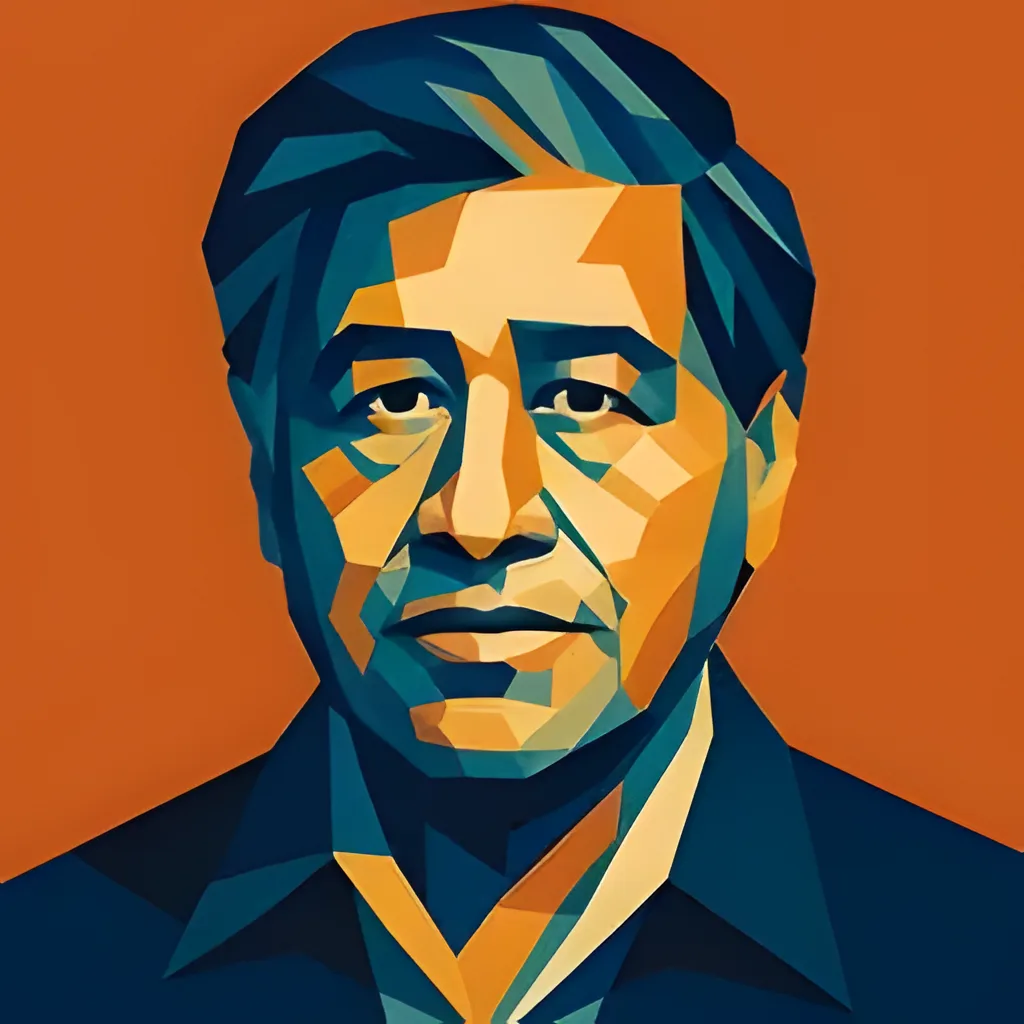 Labor Leader15 min
César Chávez
A Farm-worker Who Became One of America’s Most Influential Labor Leaders
FAQ
Frequently asked questions about Mother Teresa.
What was Mother Teresa's real name?
Anjezë Gonxhe Bojaxhiu — Agnes Gonxha in its common English spelling. She was born to an ethnic Albanian Catholic family in Skopje, now the capital of North Macedonia, and took the name Teresa, after Saint Thérèse of Lisieux, when she became a nun.
How did Mother Teresa die?
Of heart failure, in Calcutta on 5 September 1997, aged eighty-seven. She had suffered from heart problems for years, and was given a state funeral by the Indian government.
What was the 'call within a call'?
On 10 September 1946, travelling by train from Calcutta to Darjeeling for her annual retreat, Mother Teresa experienced what she later described as a call within a call — Jesus asking her to leave the convent and work directly with the poorest of the poor in Calcutta's slums. She was thirty-six. It took until 1948 to get Vatican permission to go.
Why is Mother Teresa controversial?
Critics argued she focused on caring for the dying rather than addressing the root causes of poverty, that medical care in her facilities was often basic, and that she romanticised poverty and suffering. Some former volunteers described poor conditions and questioned how donations were used. She rarely responded, maintaining her calling was to love individuals rather than change systems.
Did she try to convert the people she cared for?
She said she did not. Hindu groups objected to a Christian home for the dying next to the sacred Kali Temple and accused her of converting dying Hindus; there were protests and threats. She responded that her goal was to help people die with dignity rather than alone on the street, respected all religions, and allowed people to die according to their own faith. Many critics came to respect the work.
When did Mother Teresa become a saint?
Pope Francis canonised her in 2016, in Saint Peter's Square, with thousands present including many of the poor she had served. Pope John Paul II had declared her blessed in 2003, the first step toward sainthood. She is Saint Teresa of Calcutta.
What is the Missionaries of Charity?
The order she founded in 1950. Alongside the traditional vows of poverty, chastity and obedience, its sisters take a fourth: to give wholehearted and free service to the poorest of the poor. They live with the minimum — usually three saris, sandals, a plate and a thin mattress — and eat the same simple food as the people they serve. It now operates in over 130 countries.
Published by Lyfestori, from Duck Pond Ventures Oy. About us and how to report a correction.
20 min · one sitting