Lance Armstrong
The Champion Who Rose and Fell
Born Lance Edward Gunderson on 18 September 1971 in Plano, Texas, Lance Armstrong survived advanced testicular cancer and won the Tour de France seven times in a row — then was stripped of every title in 2012 for doping, which he admitted to Oprah Winfrey in 2013.
- 17 min listen
- Seven Tours, stripped
- Cancer survivor
- Livestrong founder
Lance Armstrong’s full 17 min audio biography, The Champion Who Rose and Fell, is available on Lyfestori for iOS. Listen to a free preview below.
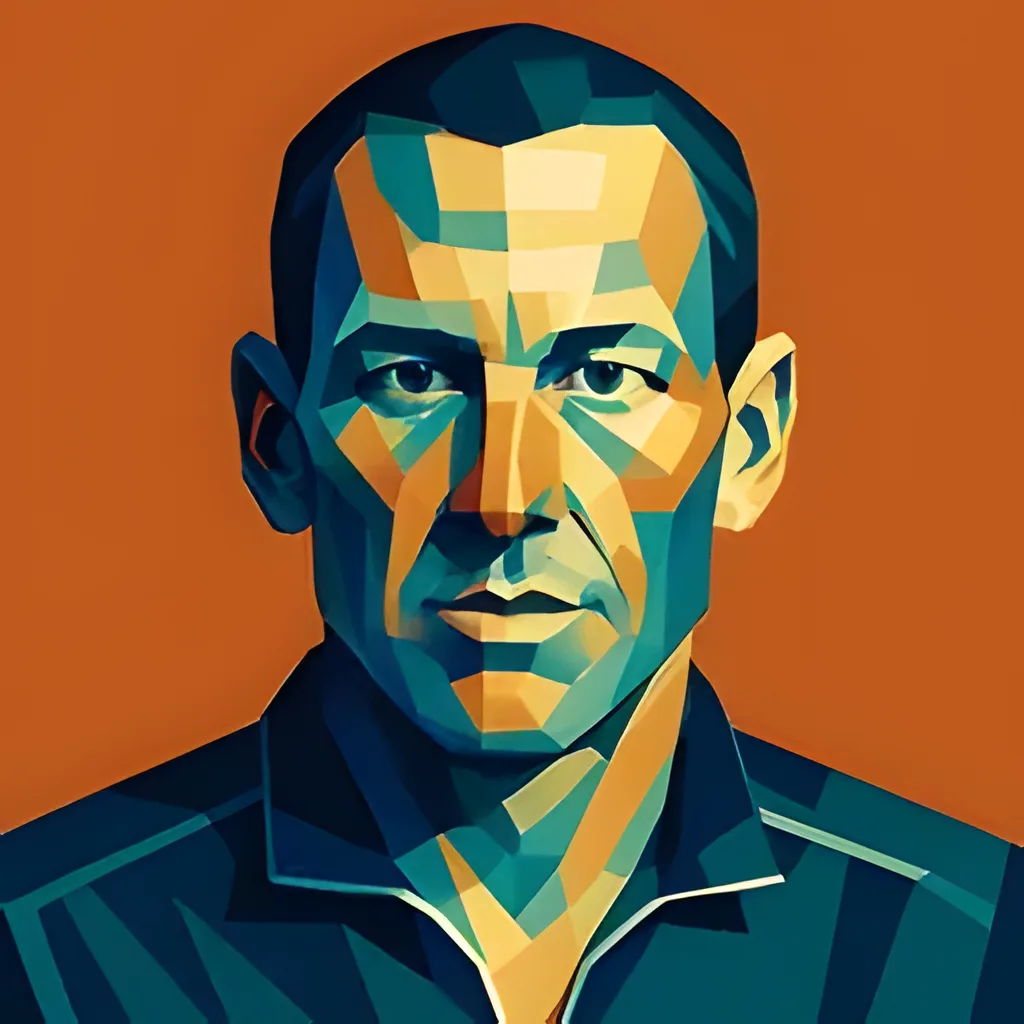
A life in brief
Lance Armstrong: life and timeline.
Doctors gave him less than a fifty percent chance. The testicular cancer had reached his lungs and his brain, and he was twenty-five. Three years later Lance Armstrong won the Tour de France by more than seven minutes, then won it six more times. The comeback made him a symbol of hope for cancer survivors, and the yellow wristbands raised millions. All seven titles were stripped in 2012. He admitted the doping to Oprah Winfrey the following January, after a decade of denials and lawsuits against the people telling the truth.
- 1971
Born in Plano
Born Lance Edward Gunderson on 18 September in Plano, Texas. His mother, Linda Gayle, was seventeen. His biological father was largely absent.
- 1974
A new surname
After his parents' divorce, Linda marries Terry Armstrong, who adopts Lance and gives him his last name. She works multiple jobs to support them.
- 1989
The national team
Joins the United States national cycling team at eighteen. He had entered his first triathlon at thirteen and was competing professionally by sixteen.
- 1993
World champion
Having turned professional in 1992, he wins the World Road Race Championship in Oslo — one of the youngest riders ever to take the title, and only the second American.
- 1996
Cancer
Diagnosed with testicular cancer in October at twenty-five. It has spread to his lungs and brain; doctors give him under fifty percent odds. Surgery and intensive chemotherapy follow.
- 1997
Livestrong
Founds the Lance Armstrong Foundation, later Livestrong, to support and inspire cancer survivors. He meets Kristin Richard, whom he marries the following year.
- 1999
The first Tour
Wins the Tour de France by more than seven minutes, three years after the diagnosis. The story of a cancer survivor taking cycling's biggest prize travels far beyond the sport.
- 2005
Seven in a row
Wins his seventh consecutive Tour and retires. He had brought unprecedented attention to cycling in America, and his legacy seemed secure.
- 2008
The comeback
Returns to professional cycling, citing cancer awareness. The attention reignites the doping allegations, and former teammates grow more willing to speak publicly.
- 2011
Second retirement
Announces his retirement again on 16 February as investigations gather pace. The United States Anti-Doping Agency continues building its case.
- 2012
The dam bursts
USADA's report, with testimony from eleven former teammates, describes a systematic doping programme. He declines to fight, is stripped of all seven titles and banned for life. In October he resigns as Livestrong chairman.
- 2013
The confession
Admits to Oprah Winfrey in January that he used EPO, testosterone, cortisone and blood doping through all seven wins — contradicting years of vehement denials and legal battles.
Major achievements
Lance Armstrong: major achievements.
- 01
Surviving stage-four cancer
Diagnosed in October 1996 with testicular cancer that had spread to his lungs and brain, given under fifty percent odds, he came through surgery and intensive chemotherapy to a complete recovery.
- 02
Livestrong
Founded in 1997 to support cancer survivors. The yellow wristbands became a global phenomenon and raised millions for research and support programmes. The organisation continued its work after he left it.
- 03
World champion
Won the 1993 World Road Race Championship in Oslo, one of the youngest riders ever to do so and only the second American to claim the world title.
- 04
Cycling in America
His fame brought unprecedented attention to a sport that had been a niche interest in the United States, putting cycling on talk shows and magazine covers.
- 05
Seven Tours de France — later stripped
Won every Tour from 1999 to 2005, then lost all seven in 2012 when USADA found a systematic doping programme. The victories, once among the greatest achievements in sport, are now recorded as elaborate fraud.
Turning points
Lance Armstrong: defining moments.
- 1996
The diagnosis
Testicular cancer spread to his lungs and brain, at twenty-five, with under fifty percent odds. For someone whose whole identity was physical strength, it was devastating. He treated it as another race to win — and the survival became the foundation of everything after, including the story that made the cheating unthinkable.
- 1999
The comeback nobody could argue with
Three years after chemotherapy he won the Tour de France by more than seven minutes. The margin was enormous and the narrative was irresistible: a cancer survivor taking cycling's biggest prize. It also made him nearly impossible to accuse.
- 2008
The return that undid him
He had retired in 2005 with his legacy intact. Coming back generated enormous attention — and reopened the questions. Former teammates became willing to describe what they had witnessed. The investigations did not stop when he retired again in 2011.
- 2012–2013
Collapse
USADA's report carried testimony from eleven former teammates. He declined to fight, was stripped of all seven titles and banned for life. Sponsors left within months — Nike, Trek, Anheuser-Busch. He resigned from Livestrong in October. In January 2013 he admitted it all to Oprah Winfrey.
What you’ll take away
Lessons from Lance Armstrong’s life.
- 01
A good story is not evidence
The cancer survival made the cheating unthinkable to millions, and that was exactly the problem. His supporters trusted the narrative and discounted what former teammates kept saying.
- 02
Deception compounds
The doping was one decision. Defending it took a decade of denials, lawsuits and attacks on people telling the truth — and that, more than the drugs, is what people found hardest to forgive.
- 03
The real thing survives the fraud
The titles were erased. The cancer he beat and the survivors Livestrong helped were not. Not everything he built was fake, which is what makes his story hard rather than simple.
Did you know
Facts about Lance Armstrong.
- 01
Did you know that Lance Armstrong won a record seven consecutive Tour de France titles after surviving a grueling battle with advanced testicular cancer?
- 02
Did you know that Armstrong was a highly successful triathlete before focusing solely on cycling, becoming the national sprint-course triathlon champion at age 18?
- 03
Did you know that in 2012, Lance Armstrong's Tour de France titles were officially stripped away after a USADA investigation concluded he used performance-enhancing drugs throughout his career?
If you liked Lance Armstrong…
Browse all →
FAQ
Frequently asked questions about Lance Armstrong.
What happened to Lance Armstrong?
In 2012 the US Anti-Doping Agency found he had led a sophisticated doping programme. He was stripped of his seven Tour de France titles, banned from sport for life, and dropped by his sponsors, and he stepped down from Livestrong, the cancer charity he founded. He confessed in a January 2013 interview with Oprah Winfrey and later settled a federal fraud lawsuit for $5 million.
Is Lance Armstrong still alive?
Yes, Lance Armstrong is alive. Rumours of his death seem to come from three places. In May 2017 a fake news site posing as Fox News claimed he had died of cancer in a Texas hospital — a hoax that PolitiFact debunked and Armstrong mocked in an Instagram video. He is also often confused with astronaut Neil Armstrong, who died on 25 August 2012, the day after the US Anti-Doping Agency erased Lance's Tour de France titles. And his own story includes a near-fatal fight with testicular cancer in 1996, though he has been cancer-free since 1997.
Is Lance Armstrong related to Neil Armstrong?
No. The cyclist and the astronaut who first walked on the Moon are not related — and Lance was not even born an Armstrong. He was born Lance Edward Gunderson and took the surname from his adoptive father, Terry Armstrong.
What is Lance Armstrong's real name?
He was born Lance Edward Gunderson. His mother Linda married Terry Armstrong when Lance was a toddler, and Terry adopted him and gave him the Armstrong surname.
When did Lance Armstrong get cancer?
In October 1996, at twenty-five. Testicular cancer had already spread to his lungs and brain, and doctors gave him less than a fifty per cent chance. After surgery and chemotherapy he returned to racing and won his first Tour de France in 1999.
Why was Lance Armstrong stripped of his Tour de France titles?
In 2012 the United States Anti-Doping Agency published a report describing a systematic doping programme run through his team, including testimony from eleven former teammates. Faced with the evidence he chose not to fight the charges, and was stripped of all seven titles and banned for life under the World Anti-Doping Code.
Did Lance Armstrong ever admit to doping?
Yes. After initially attacking the USADA findings, he admitted it in January 2013 on Oprah Winfrey's show, acknowledging EPO, testosterone, cortisone and blood doping across all seven Tour wins. Many observers felt the confession was calculated and incomplete, showing little genuine remorse.
Did Lance Armstrong really have cancer?
Yes. He was diagnosed with testicular cancer in October 1996 at twenty-five. It had spread to his lungs and brain, and doctors gave him under a fifty percent chance of survival. He underwent surgery and intensive chemotherapy and made a complete recovery.
What happened to Livestrong?
The foundation began distancing itself from its founder in October 2012, before his televised confession. He resigned as chairman on 17 October and stepped down from the board the following month. The organisation chose to continue its mission under the Livestrong name, separate from Armstrong.
How did he pass so many drug tests?
He passed numerous tests during his career and often cited them as proof of innocence, claiming to be the most tested athlete in the world. The USADA case was not built on a failed test but on teammate testimony and evidence of a systematic programme.
Published by Lyfestori, from Duck Pond Ventures Oy. About us and how to report a correction.
17 min · one sitting