John D. Rockefeller
The Oil Baron Who Changed America
Born on 8 July 1839 in Richford, New York, John Davison Rockefeller started as a bookkeeper at sixteen, built Standard Oil into a near-monopoly of American oil refining, became the richest person in modern history, and gave away over half a billion dollars before his death at ninety-seven.
- 19 min listen
- Standard Oil
- World's first billionaire
- Philanthropist
John D. Rockefeller’s full 19 min audio biography, The Oil Baron Who Changed America, is available on Lyfestori for iOS. Listen to a free preview below.
A life in brief
John D. Rockefeller: life and timeline.
As a boy he raised turkeys to sell to neighbours and lent money to local farmers at interest; by thirteen he had saved fifty dollars. John D. Rockefeller walked the streets of Cleveland for weeks looking for work, took a bookkeeping job at fifty cents a day, and within twenty-five years controlled much of America's oil refining. The Supreme Court broke Standard Oil into thirty-four companies in 1911 — which made him richer. He gave away over 500 million dollars, more than half his fortune.
- 1839
Born in Richford
Born 8 July in a small New York farming town, second of six children. His father William was a travelling salesman often away for long stretches; his mother Eliza, a devout Baptist, raised them on hard work, thrift and helping others.
- 1855
Fifty cents a day
After weeks walking Cleveland asking businesses for work, he is hired in September as an assistant bookkeeper at Hewitt and Tuttle, dealing in grain and hay. He arrives early, stays late, and impresses his employers by spotting inefficiencies.
- 1859
His own business
At twenty he partners with Maurice Clark in grain, hay and meats. The Civil War lifts demand for food supplies and the business prospers. The same year, oil is discovered in Pennsylvania.
- 1863
Into oil
He and several partners build an oil refinery in Cleveland. Kerosene lighting is spreading and demand is soaring — but the industry is chaotic and wasteful, and that is what he sees as the opportunity.
- 1870
Standard Oil founded
Founded in Ohio with his brother William, Henry Flagler and other partners. The strategy from the beginning is consolidation: buy the competing refineries, standardise operations, cut costs. Those who refused to sell faced competition that drove them out.
- 1879
National dominance
Standard Oil controls much of the country's refining — built on bigger modern refineries, control of transport by rail and its own pipelines, and price cuts below cost in any market where a rival operated. Critics start calling him a robber baron.
- 1882
The Standard Oil Trust
A new form of business organisation letting him control multiple companies across state lines. It coordinated the business effectively — and made the monopoly's power impossible to miss.
- 1890
The Sherman Antitrust Act
The first federal law designed to limit monopolies passes. It is initially not well enforced, and Standard Oil continues to dominate. The same year, he funds the founding of the University of Chicago.
- 1897
Retirement at fifty-eight
He steps back from day-to-day management of Standard Oil while remaining its largest shareholder.
- 1901
The Rockefeller Institute
Founds the Rockefeller Institute for Medical Research, whose scientists make important discoveries about yellow fever, hookworm and other diseases.
- 1911
The breakup
The Supreme Court rules Standard Oil an illegal monopoly and orders it split into thirty-four companies. He receives shares in all of them, and his wealth increases. Exxon, Mobil and Chevron trace their origins to that breakup.
- 1937
Death in Florida
Dies 23 May at his estate, aged ninety-seven, having given away over 500 million dollars. He credited his longevity to a disciplined lifestyle and his religious faith.
Major achievements
John D. Rockefeller: major achievements.
- 01
Standard Oil
Founded in 1870, it brought order to a chaotic industry with larger, more modern refineries, control of transportation and relentless cost cutting — and controlled much of America's refining within a decade.
- 02
The world's first billionaire
His personal wealth passed 300 million dollars in the 1880s — the first billion-dollar fortune adjusted for inflation. By the time he retired it would be worth over 400 billion dollars in today's money.
- 03
The Standard Oil Trust
The 1882 trust was an organisational invention: a structure for controlling many companies across many states. It shaped how American corporations were built — and drew the anti-trust movement straight to him.
- 04
Modern philanthropy
In 1889 he hired Frederick Gates, a Baptist minister, to organise his giving — identifying worthwhile causes and ensuring donations were used effectively. Systematic, staffed philanthropy begins roughly here.
- 05
The institutions
The University of Chicago from 1890, eventually over 80 million dollars. The Rockefeller Institute for Medical Research from 1901. The Rockefeller Foundation from 1913, funding medical research, education and public health around the globe.
Turning points
John D. Rockefeller: defining moments.
- 1855
Fifty cents a day
He left high school without graduating, took a ten-week course at Folsom's Commercial College, then spent weeks walking Cleveland asking for work. The bookkeeping job he finally got taught him trade, transportation and finance — the three things Standard Oil would be built on.
- 1863–1870
Seeing waste as the opportunity
Hundreds of small companies were drilling, refining and selling with almost no coordination. Prices swung wildly and money burned. Where others saw a gold rush, he saw an industry nobody had organised — and set out to organise it under himself.
- 1890–1911
The reckoning
Ida Tarbell's detailed exposés, the Sherman Antitrust Act, and finally a federal suit in 1906. In 1911 the Supreme Court ordered Standard Oil broken into thirty-four companies. He had retired in 1897 but remained the largest shareholder — and the breakup left him wealthier than the monopoly had.
- 1889 onward
Giving as a system
He believed the wealthy had a responsibility to use their money for society, and that charity had to be done carefully and efficiently or not at all. Hiring Frederick Gates turned his giving into an organisation. By his death he had given away over 500 million dollars — more than half of everything he had.
What you’ll take away
Lessons from John D. Rockefeller’s life.
- 01
Own the bottleneck
Refining was the business, but transportation decided it. Negotiating railroad rates and then building his own pipelines let Standard Oil move oil more cheaply than anyone else — and that, more than any refinery, is what ended the competition.
- 02
Habits scale further than income
He arrived early and stayed late at fifty cents a day, and ate plain food and kept a strict routine as the richest man in America. He made his children earn their spending money through chores. The frugality never changed; only the numbers did.
- 03
A legacy is a ledger with two sides
He crushed competitors by selling below cost, then funded universities, medical research and public health at a scale nobody had attempted. Neither entry cancels the other, and both are his.
If you liked John D. Rockefeller…
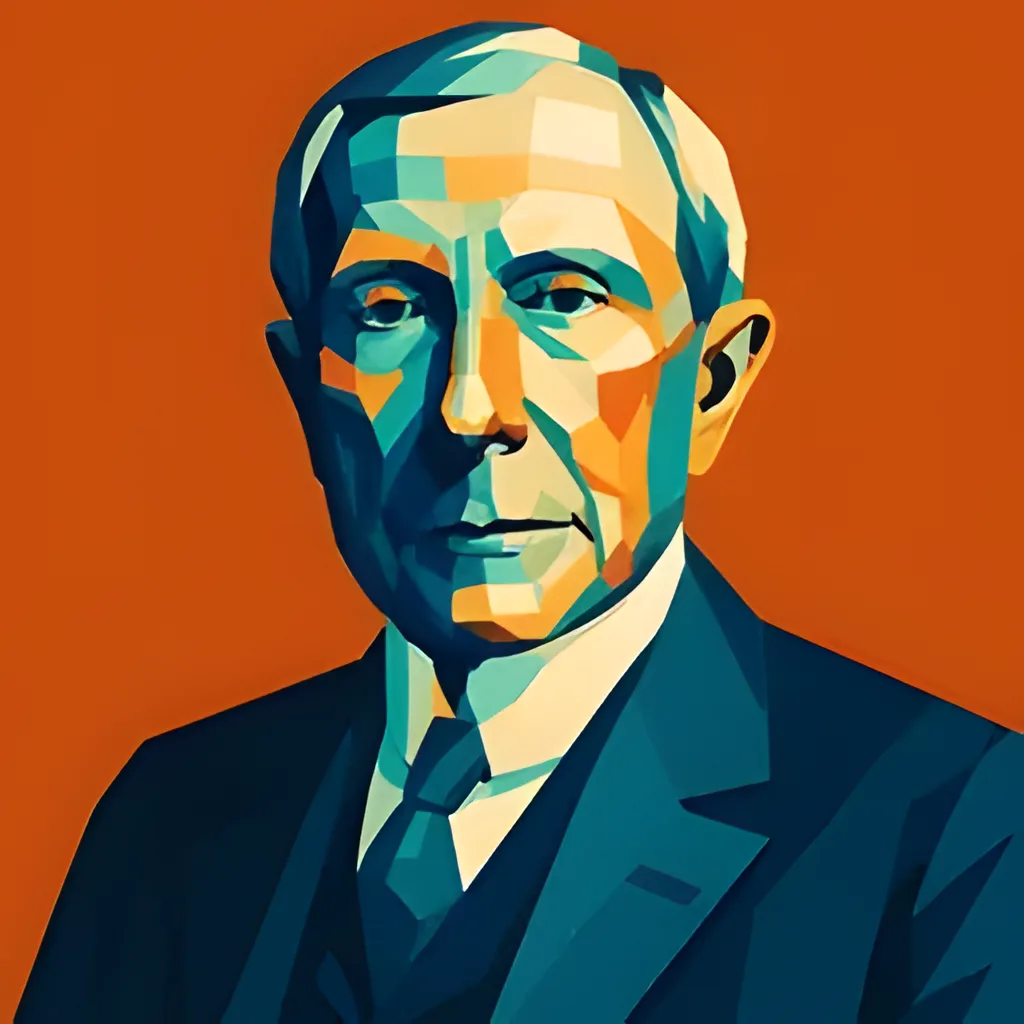
Browse all →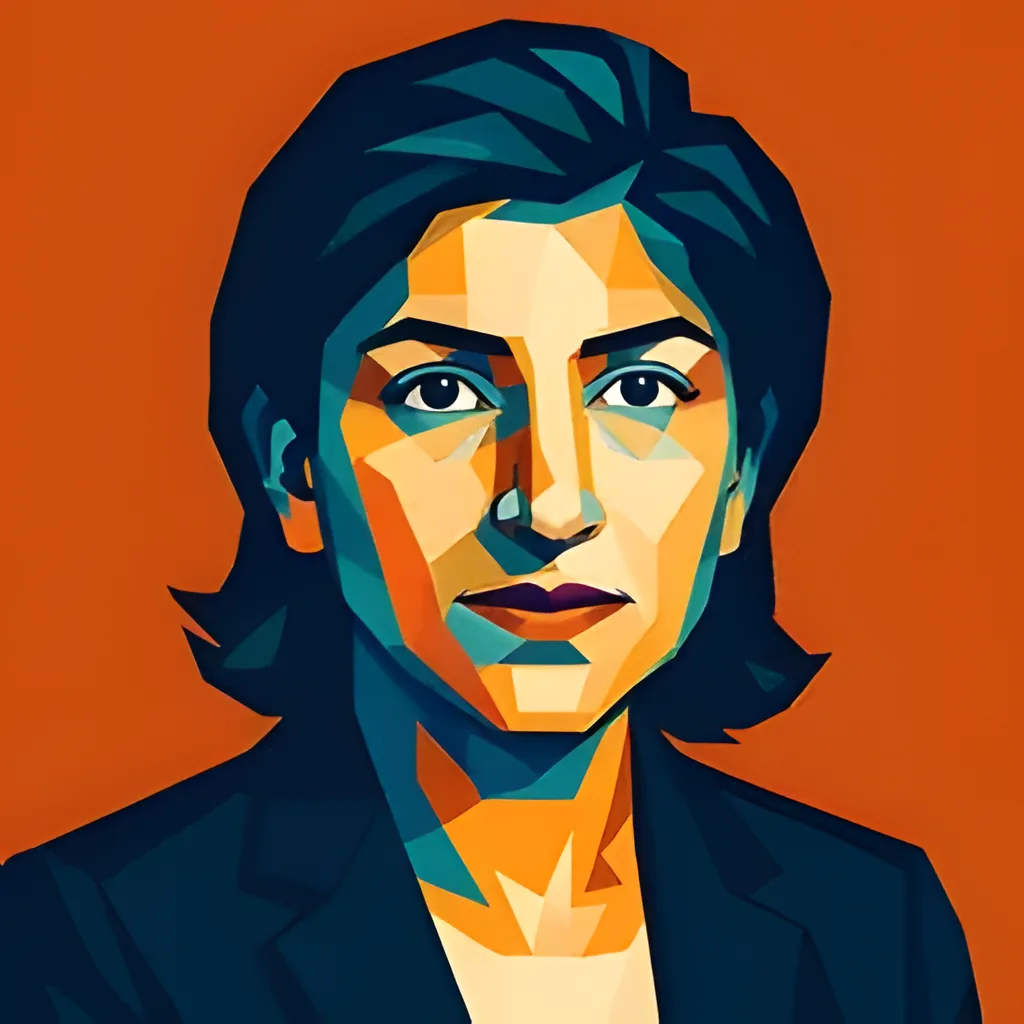 Antitrust Regulator19 min
Lina Khan
The Young Legal Mind Who Took On Big Tech
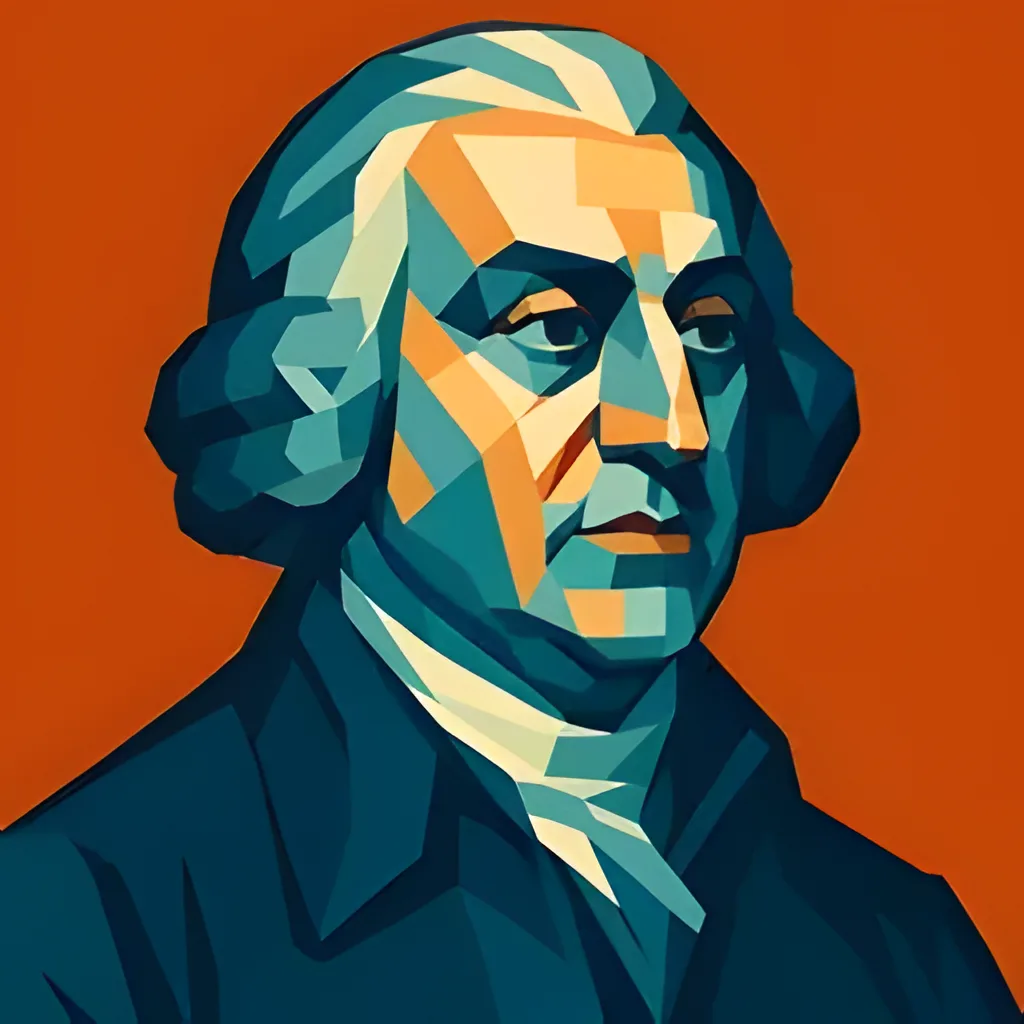 Economist17 min
Adam Smith
The Father of Modern Economics Who Shaped How We Think About Wealth and Society
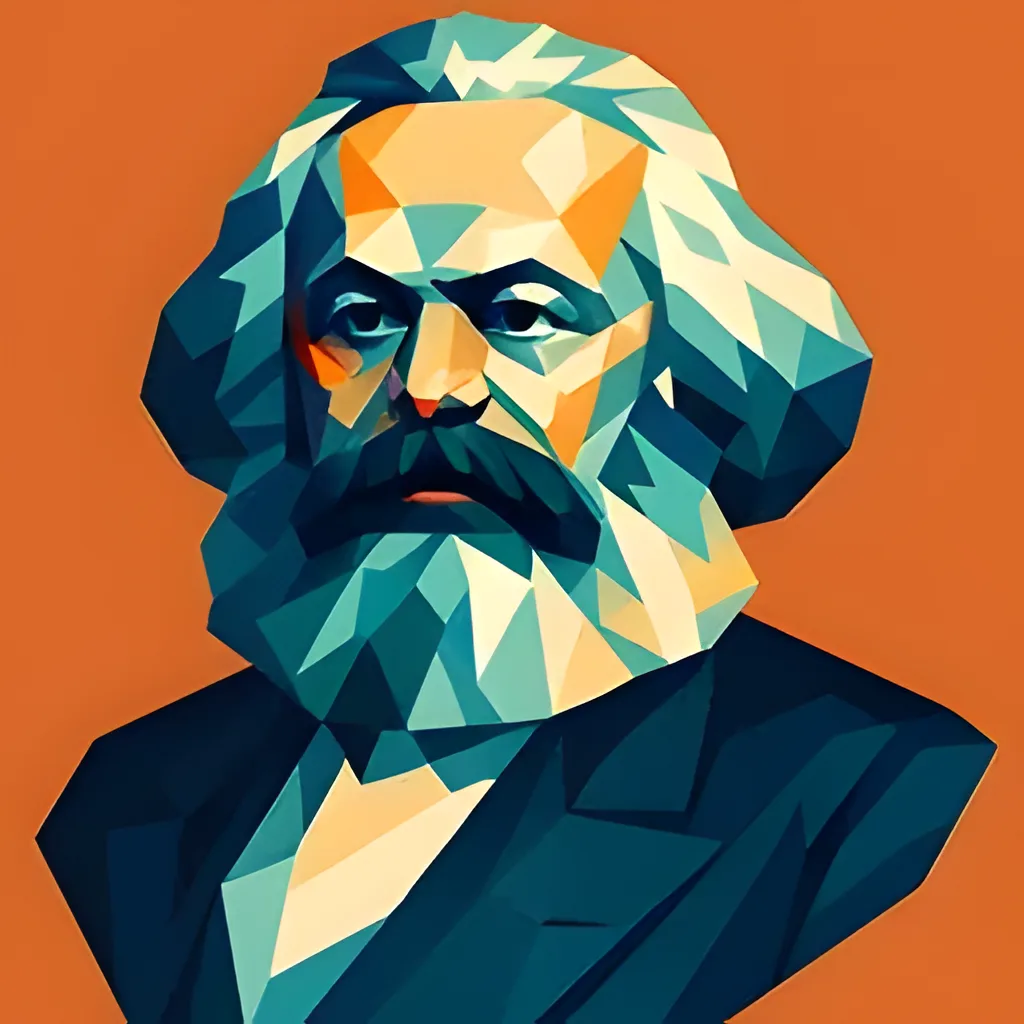 Philosopher & Economist16 min
Karl Marx
The Revolutionary Thinker Who Reshaped Modern Society
 Founder22 min
Elizabeth Holmes
The Rise and Fall of Silicon Valley's Youngest Billionaire
FAQ
Frequently asked questions about John D. Rockefeller.
What does the D in John D. Rockefeller stand for?
Davison — his mother Eliza's maiden name. His full name was John Davison Rockefeller; his son, John D. Rockefeller Jr., carried the same name.
How did John D. Rockefeller die?
Of arteriosclerosis, at his winter home in Ormond Beach, Florida, on 23 May 1937. He was ninety-seven — two years short of his stated goal of reaching a hundred.
How did Rockefeller build Standard Oil?
Efficiency and consolidation. His refineries were larger and more modern than rivals', he controlled transport through railroad rates and his own pipelines, his size won better terms from suppliers, and he cut prices below cost in markets where competitors operated — raising them once the competition was gone.
Was Rockefeller really the world's first billionaire?
His personal wealth passed 300 million dollars in the 1880s, which makes him the first billionaire when adjusted for inflation. By the time he retired, his fortune would be worth over 400 billion dollars in today's money.
What happened when Standard Oil was broken up?
In 1911 the Supreme Court ruled it an illegal monopoly and ordered it split into thirty-four companies. Rockefeller received shares in all of them and grew richer. Exxon, Mobil, Chevron and other oil giants trace their origins to that breakup — the government's effort to reduce his power may have increased his wealth.
How much did Rockefeller give away?
Over 500 million dollars by his death — more than half his total wealth. It funded the University of Chicago (eventually over 80 million), the Rockefeller Institute for Medical Research, the Rockefeller Foundation, and schools, hospitals, churches and disease campaigns worldwide.
Why was Rockefeller called a robber baron?
The term was applied to him and other wealthy industrialists of the era by competitors, politicians and journalists who accused him of unfair dealing and of crushing smaller businesses. Ida Tarbell's detailed exposés of Standard Oil's practices made the case publicly.
Published by Lyfestori, from Duck Pond Ventures Oy. About us and how to report a correction.
19 min · one sitting